Building a Moss Path in a Wet UK Climate: Drainage, Base and Aftercare
October 07, 2026 - Garden Paths
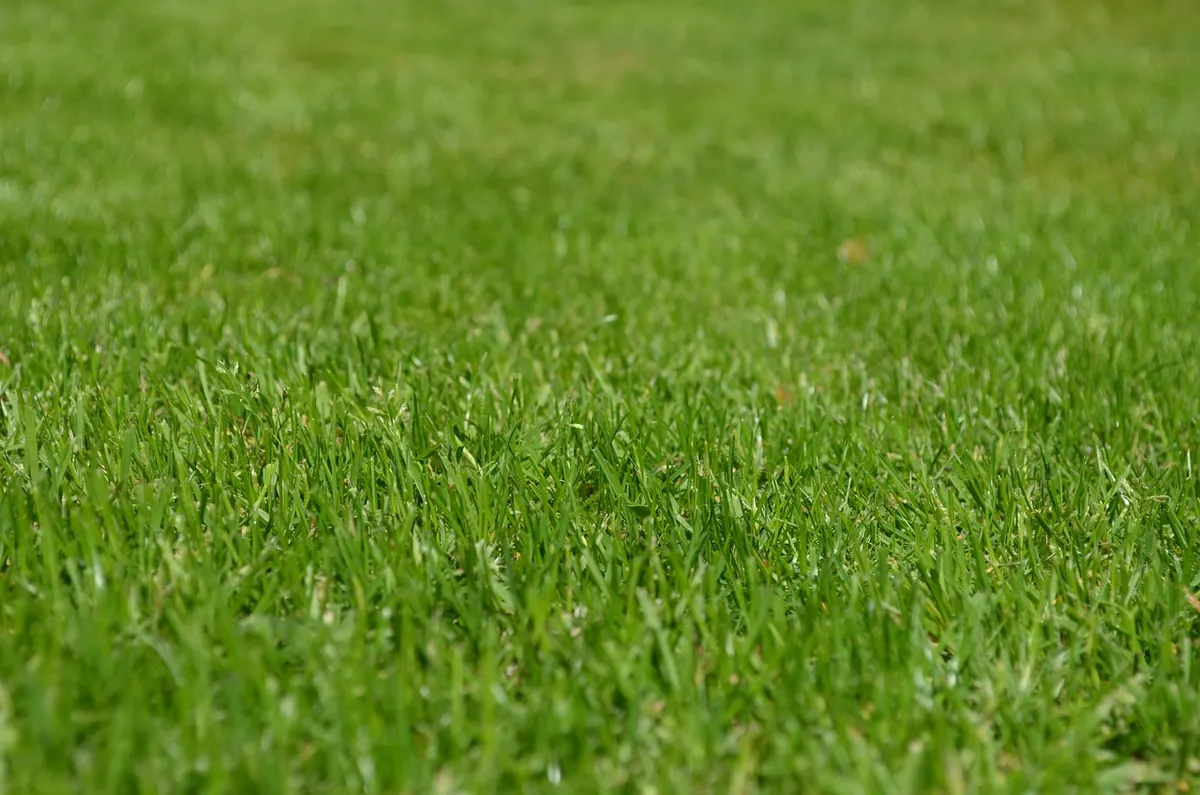
Every UK garden has one: the strip of grass that never really works. North-facing, tucked under a fence, shaded by a sycamore, damp until May and patchy by August. You reseed it, it thins out again, and the moss quietly moves in regardless.
That moss is not a failure. It is a hint. A moss lawn suits exactly the conditions grass hates — low light, steady moisture, compacted or poor soil — and once it is established it needs no mowing, no feeding and very little fuss. It stays green through most of the year, feels springy underfoot and looks deliberate rather than neglected. Here is how to make the change properly.
Moss has no roots. It takes water and nutrients straight through its leaves, which means it does not need fertile soil, deep tilth or a sunny aspect. It grows whenever the surface is damp and the air is above freezing, so it keeps its colour in winter when grass has stopped growing. In a dry spell it goes crisp and brown, then greens up again within days of rain.
Be clear about what a moss lawn is not. It is not a football pitch, and it will not stand up to a dog charging across it daily or a family shortcut to the shed. It is also not instant — you are growing a surface at roughly the pace moss chooses, which means months rather than weeks. What you get in return is a soft, quiet, green floor that never needs cutting.
Moss does not need total shade. Dappled light or two to three hours of gentle morning sun is ideal, and the edges of a north-facing border work well. Deep, dry shade under a dense conifer hedge is the hardest spot of all; moss will survive there but grow very slowly. A sun-baked south-facing patch is the opposite problem — it dries out and scorches in July unless you water regularly.
Constant damp is what you want. Standing water is not. If puddles sit on the surface for days after rain, deal with that first — a shallow channel, a French drain or a slightly raised bed — otherwise you will grow algae and black slime rather than moss.
Moss likes acidic to neutral, firm, low-fertility ground. This is the one place where a generous gardener has a disadvantage: soil that has been fed and composted for years will grow weeds faster than it grows moss. Do not lime, and do not feed.
Decide now where people will actually walk and set a few stepping stones or flat slabs into the design. Moss recovers from occasional treading, but not from the same worn line every day.
You will need: a rake, a hand fork, a water butt if you have one, some boards to kneel on, and a source of moss. For the moss itself, the best species for a lawn-like finish are Rhytidiadelphus squarrosus, the springy turf moss that forms a woven mat, and Hypnum cupressiforme, flatter and good in deeper shade. Thuidium tamariscinum is fern-like and handsome but fussier. Upright haircap mosses give a wilder, more clumpy look.
Buy plugs or trays from a specialist grower, or harvest fragments from your own garden, driveway or a friend's plot with their permission. Never lift moss from a nature reserve, an SSSI or ancient woodland.
Autumn is the best time to start in most of the UK, with early spring a close second. Avoid midsummer.
Water little and often, ideally in the morning or evening, and use rainwater rather than tap where you can — much of the UK's tap water is hard, and the lime works against you. A light misting is better than a soaking. Keep off the new lawn for the first few months.
Weed by hand while seedlings are tiny. Do not reach for weedkiller: the products that kill broadleaf weeds will damage or kill moss, and one careless spray can set you back a whole season. Do not feed either. Feeding moss also feeds the grass and weeds competing with it.
The single biggest threat to a moss lawn is autumn leaves. A wet mat of leaves left over winter will leave brown patches by February, so clear them with a soft rake or a leaf blower on low. Beyond that, the routine is short:
Pets are worth a mention: concentrated urine scorches moss in patches. Rinse the spot with water and it will usually recover.
Pick a square metre or two of the worst grass in the garden and convert that first. You will learn how your soil holds water, how fast the moss knits together and how much shade you actually have, without risking the whole lawn. If it works — and in a damp, shaded UK garden it usually does — extend outwards the following autumn, a patch at a time. Let the moss show you where it wants to grow, and stop fighting it.
Photo: Huskyherz / Pixabay

How to build a moss path that survives British rain: the right base layers, sensible drainage, suitable moss species...
Brown moss in a UK summer is usually dormancy, not death. Here's how drought, heat and sudden light cause it, and...
Copyright © 2026 Moss Path. All Right Reserved.